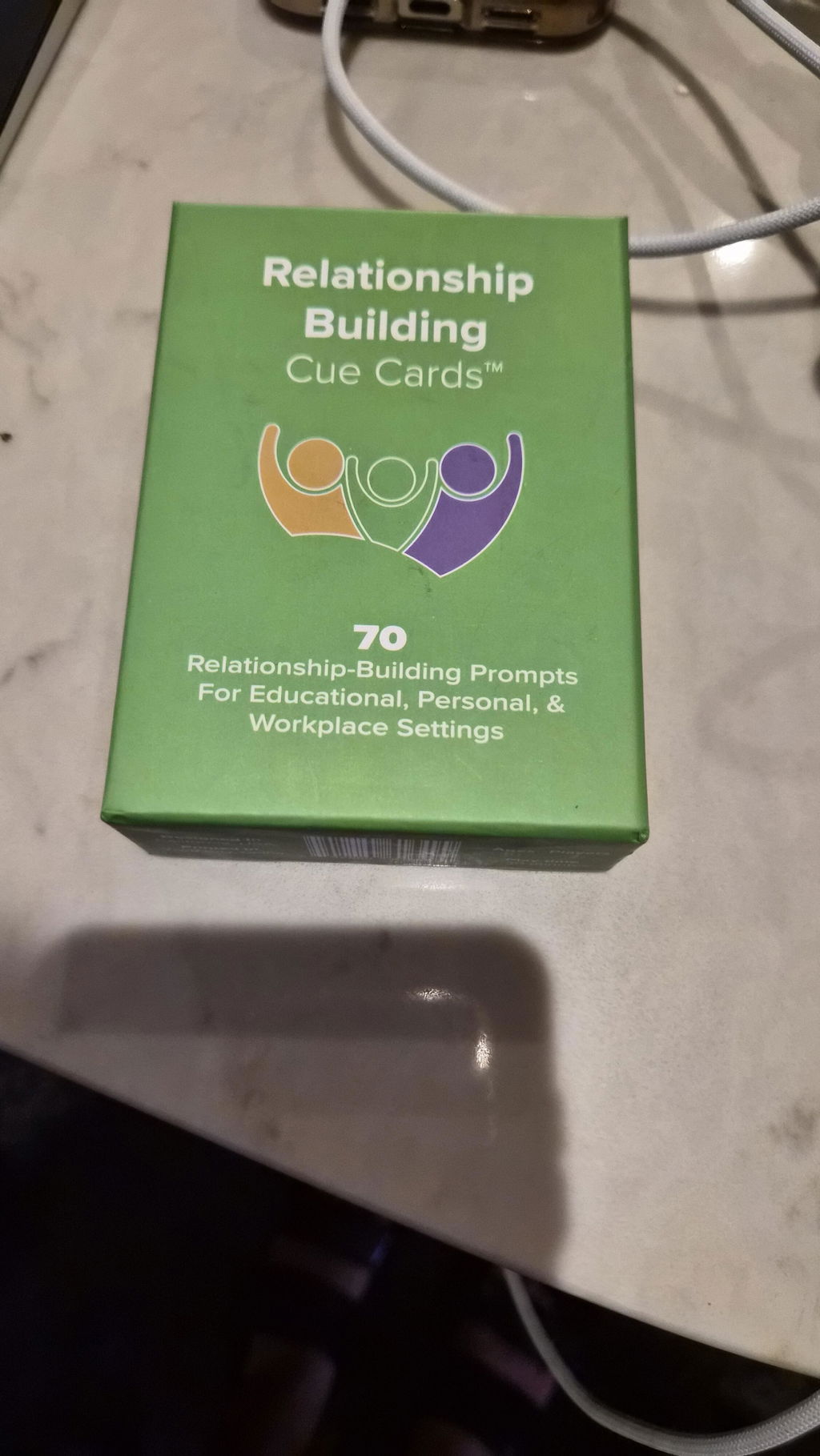
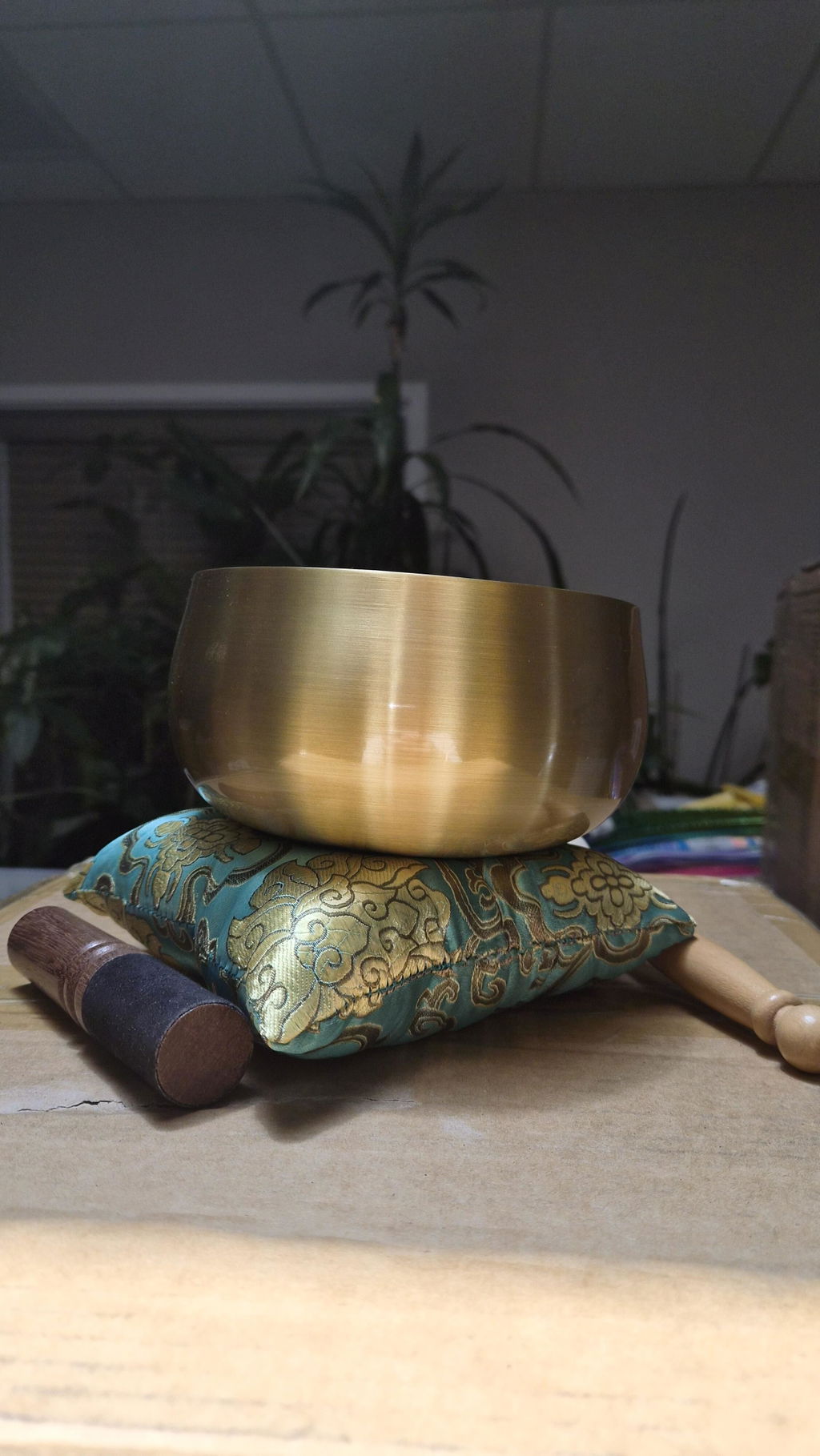
Learn how to navigate the guide
- Brief orientation to the Design Guide
- Introductory overview and basic walkthrough
- Best for people who want a quick starting point
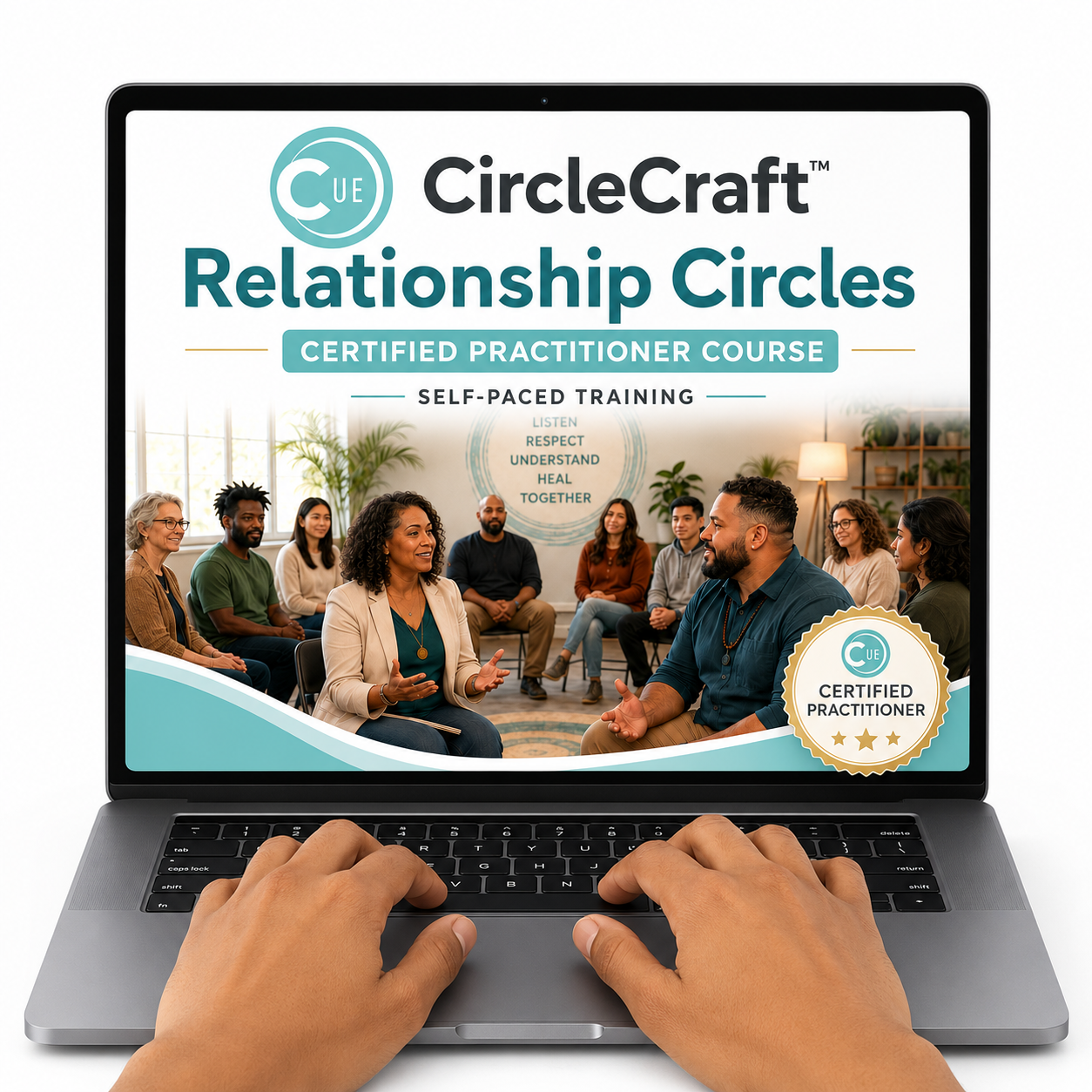
Restorative Justice Relationship Circles Practitioner Certificate Provided
✔️ 3-hour self-paced course
✔️ Includes a Detailed Restorative Justice 101 Information
✔️ Includes Restorative Justice Indigenous Roots Module
✔️FREE Tools & Strategies
Pairs well with
After your purchase you will be auto-enrolled in your course and receive a welcome email.
Upon Completion, you will receive your certificate automatically.
Free and fast customer support to problem-solve any issues you may have with the course.
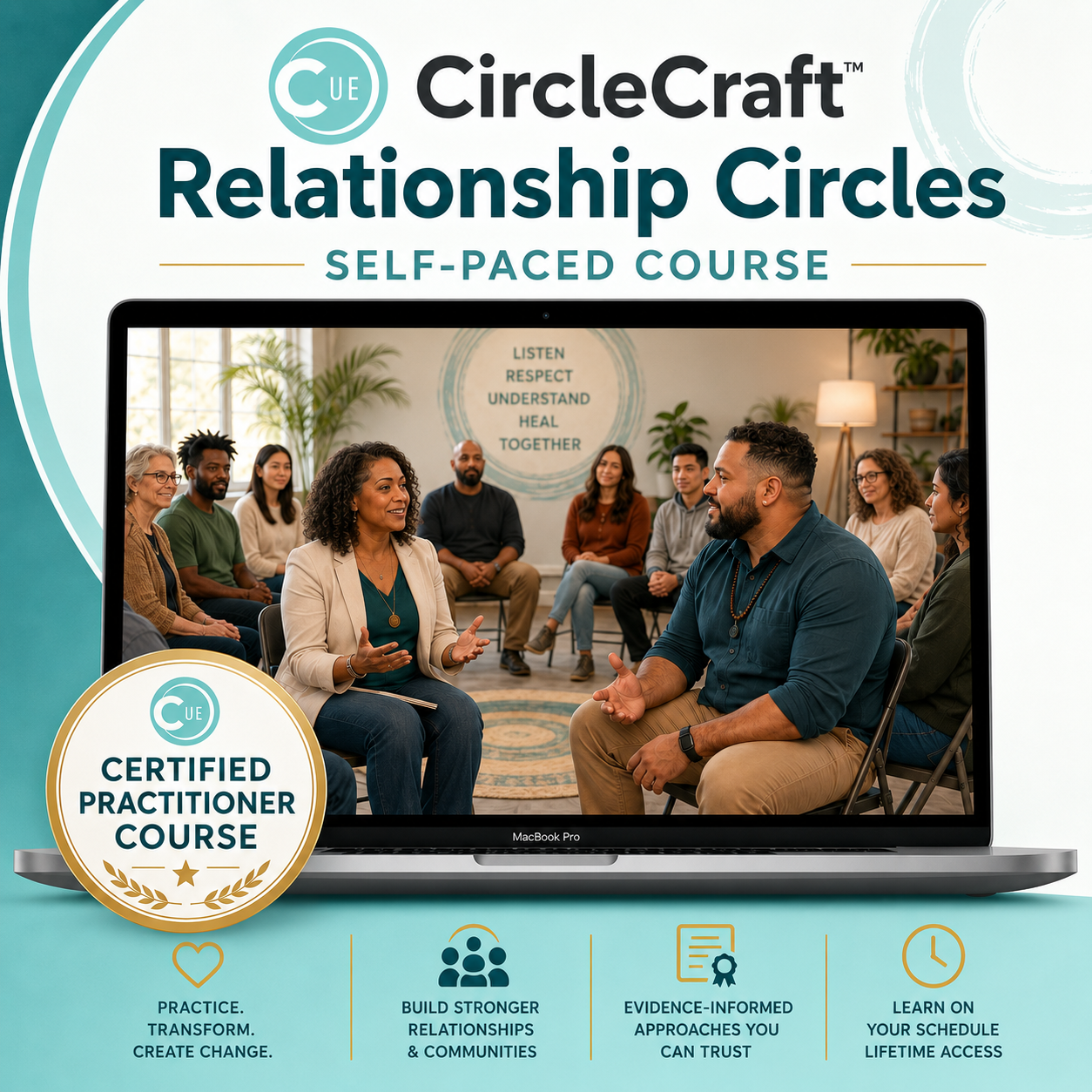
CircleCraft™ Relationship Circles Practitioner Certificate Self-paced Course (Pre-orders now OPEN)
Go beyond a brief introduction to the CircleCraft™ Design Guide. This comprehensive self-paced course teaches the restorative justice foundations, design decisions, facilitation tools, and applied skills you need to prepare for relationship-circle practice.


The companion courses help participants become familiar with the CircleCraft™ Design Guide. This course goes deeper by teaching the knowledge, judgment, preparation, and practice behind effective relationship-circle design and facilitation.
Learn the concepts, language, design decisions, and practitioner tools that help circles feel purposeful—not improvised, performative, or disconnected from the people participating.
Understand essential restorative justice and restorative practices concepts, terms, principles, and proactive applications.
Learn why proactive relationship circles and responsive conflict circles have different purposes, framing, preparation, and expectations.
Explore circles used to establish relationships, build community, prevent conflict, and hold important or difficult conversations.
Strengthen how you prepare, explain the process, build participant trust, support engagement, and guide the experience.
Use the CircleCraft™ process to build circles that respond to a specific group, purpose, setting, culture, and community context.
Learn practical approaches for improving participation, refining questions, strengthening structure, and adapting when a circle needs support.
Relationship circles are proactive. They help people connect, communicate, build shared understanding, and create stronger conditions for addressing challenges together.
Create intentional opportunities for people to learn about one another and begin building trust.
Strengthen belonging, shared identity, connection, collaboration, and group culture.
Develop communication, agreements, understanding, and relationships that reduce avoidable breakdowns.
Guide meaningful conversations about complex, sensitive, or difficult subjects with greater care.

Across the 10-step process, you will practice how to make the design choices that shape a circle’s purpose, flow, participation, relevance, and impact.
Choose the relationship circle framework that best fits your group’s needs, goals, and reason for coming together.
Review the framework, the theme, and the parts of the circle, and decide whether you are designing a single circle or a circle series.
Reflect on participant dynamics, personal considerations, the space, timing, accessibility needs, and any constraints that should shape your plan.
Select the central focus that sets the tone and connects the opening, core activity, reflections, and closing into one cohesive experience.
Choose and adapt the main activity so it directly supports the circle’s theme and the needs of your group.
Map out how much time to give each part of the circle so the experience feels realistic, balanced, and purposeful.
Choose the opening, introduction, agreements, reflection, closing, and transitions, then modify each part so it reflects the theme.
List every material, setup item, handout, and tool you need, and consider quantities, accessibility, and creative substitutions.
Review the full plan for fairness, balance, inclusion, personal readiness, and possible sensitivities, and practice the circle if needed.
Prepare participants, guide the circle with flexibility and care, and evaluate the experience so future circles can be even stronger.
The course combines clear instruction with analysis, reflection, practice, and assessment so you can test your understanding and apply what you learn.
Examine the physical setting, facilitator role, prompts, participation structure, talking pieces, centerpiece, and overall experience through a practitioner lens.

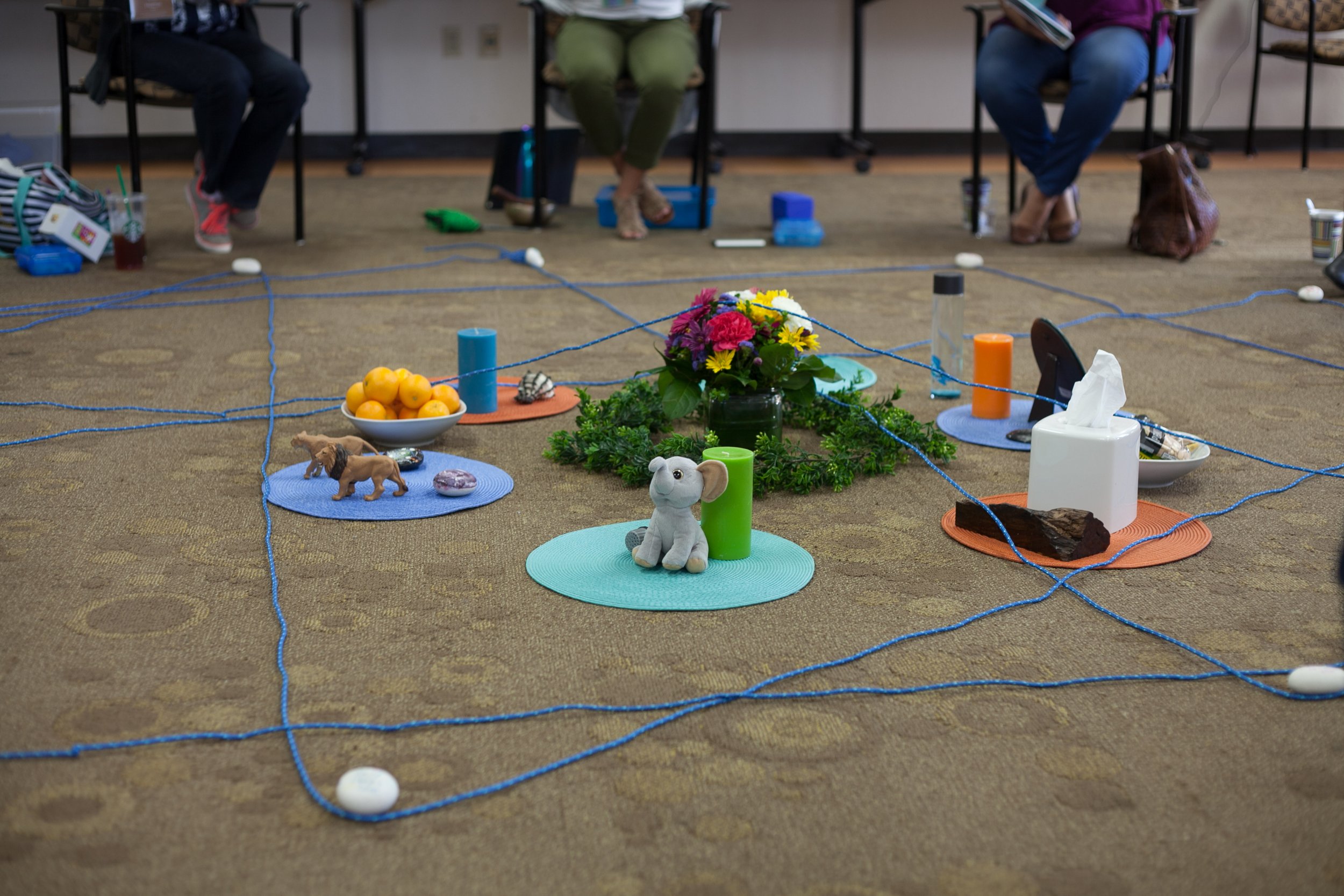
Use this course to establish a strong beginning, refresh your practice, solve recurring design challenges, or develop new approaches for the groups and communities you support.
Build the foundational language, structure, examples, and practitioner tools needed to begin designing relationship circles with greater clarity and confidence.
Refresh essential knowledge, examine common challenges, strengthen design decisions, and develop new ways to enhance established work.
To earn your CircleCraft™ Relationship Circles Practitioner Certificate of Completion, complete the required lessons, quizzes, knowledge checks, and course assessments.
No. The companion course is a brief orientation to the Design Guide. This practitioner course provides comprehensive instruction in restorative justice foundations, circle applications, facilitation tools, the 10-step design process, applied practice, quizzes, assessments, and certificate requirements.
No. The course is designed to give beginners a strong foundation while also providing useful tools, refreshers, challenge-solving strategies, and new approaches for experienced practitioners.
After successfully completing the required lessons, quizzes, knowledge checks, and assessments, you will receive a CircleCraft™ Relationship Circles Practitioner Certificate of Completion from CircleUp®.
The course explains the important difference between proactive relationship circles and responsive conflict circles so you can identify, frame, and select the appropriate process. Its central focus is designing and guiding relationship circles.
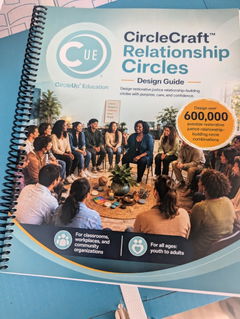
The course is designed around the CircleCraft™ Relationship Circles Design Guide. Review the purchase options in the main product area above to confirm whether your selected option includes a guide or whether it should be purchased separately.
After purchase, you will receive course access and enrollment instructions by email. Use the same email address at checkout that you want connected to your course enrollment.
Build your restorative justice foundation, practice the CircleCraft™ 10-step design process, test your knowledge, and earn your Practitioner Certificate of Completion.
If you have any questions, you are always welcome to contact us. We'll get back to you as soon as possible, within 24 hours on weekdays.
Shipping Information
Use this text to answer questions in as much detail as possible for your customers.
Customer Support
Use this text to answer questions in as much detail as possible for your customers.
FAQ’s
Use this text to answer questions in as much detail as possible for your customers.
Contact Us
Use this text to answer questions in as much detail as possible for your customers.