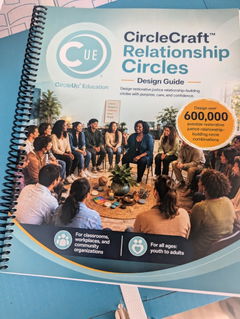
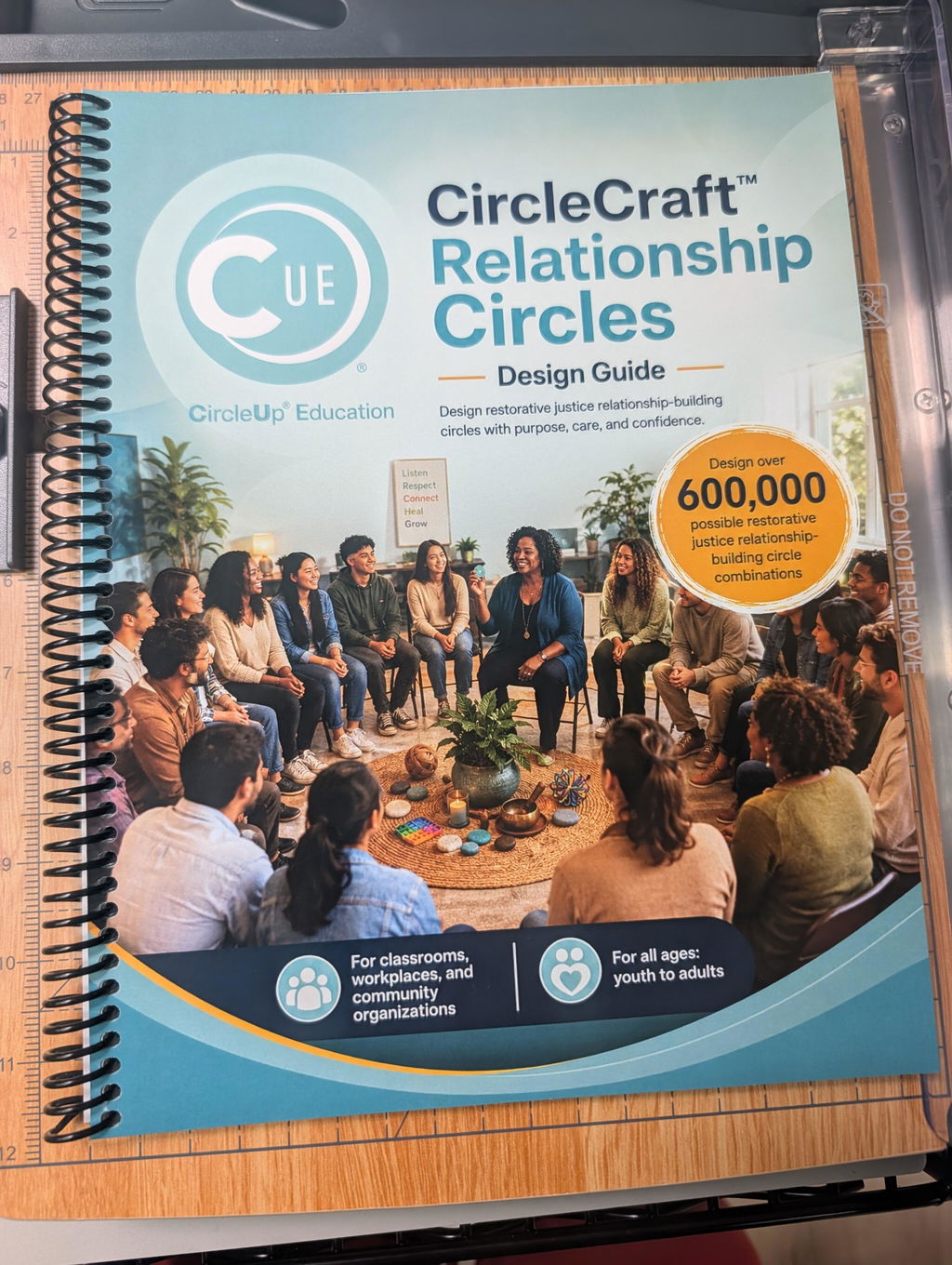
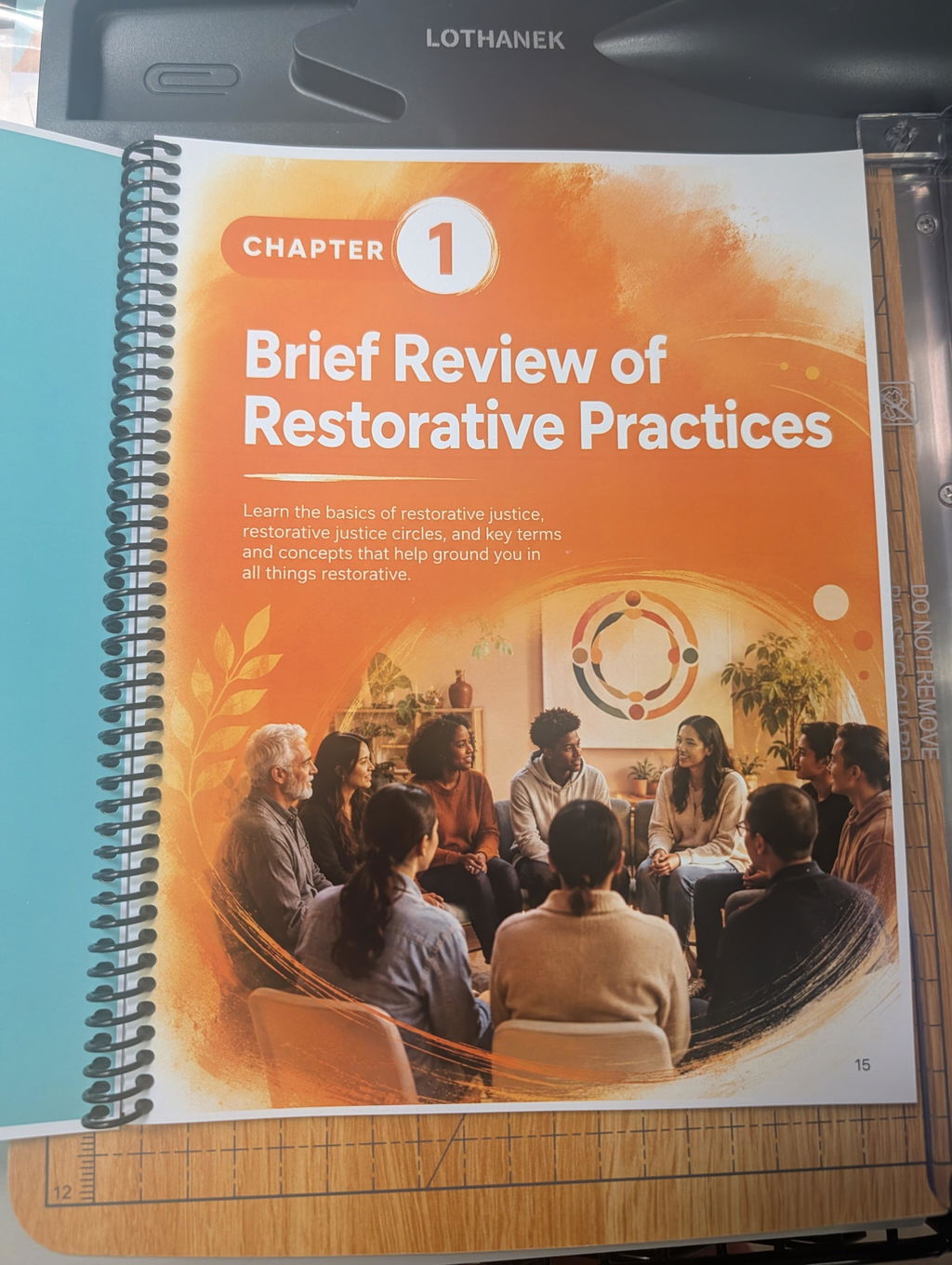
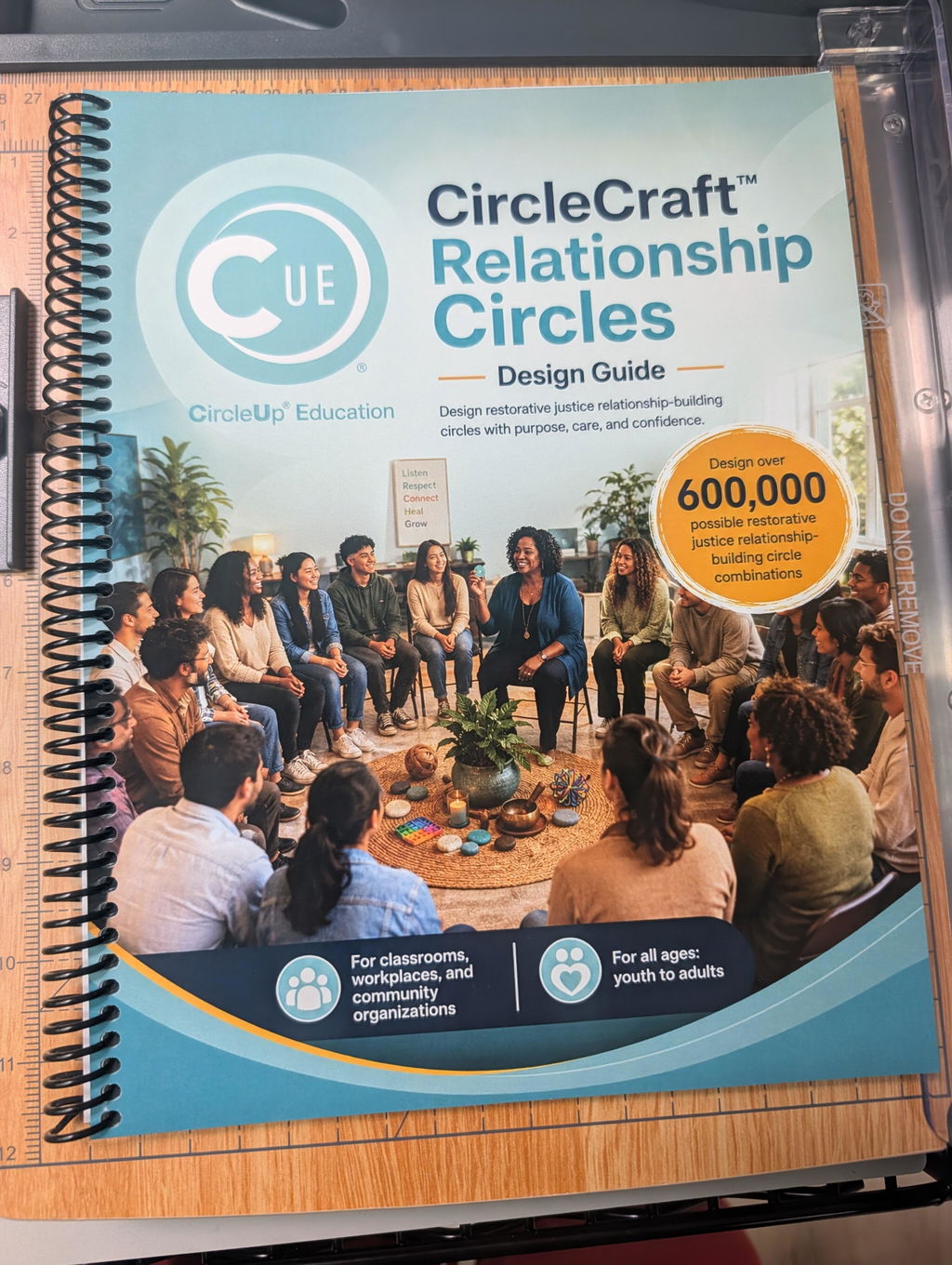
The planning tool
- 600,000+ possible circle combinations
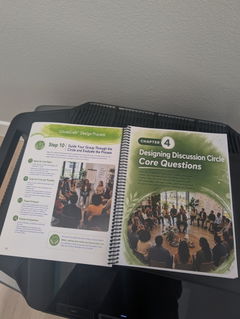
- Color-coded parts and a 10-step process
- QR codes to downloadable planning sheets

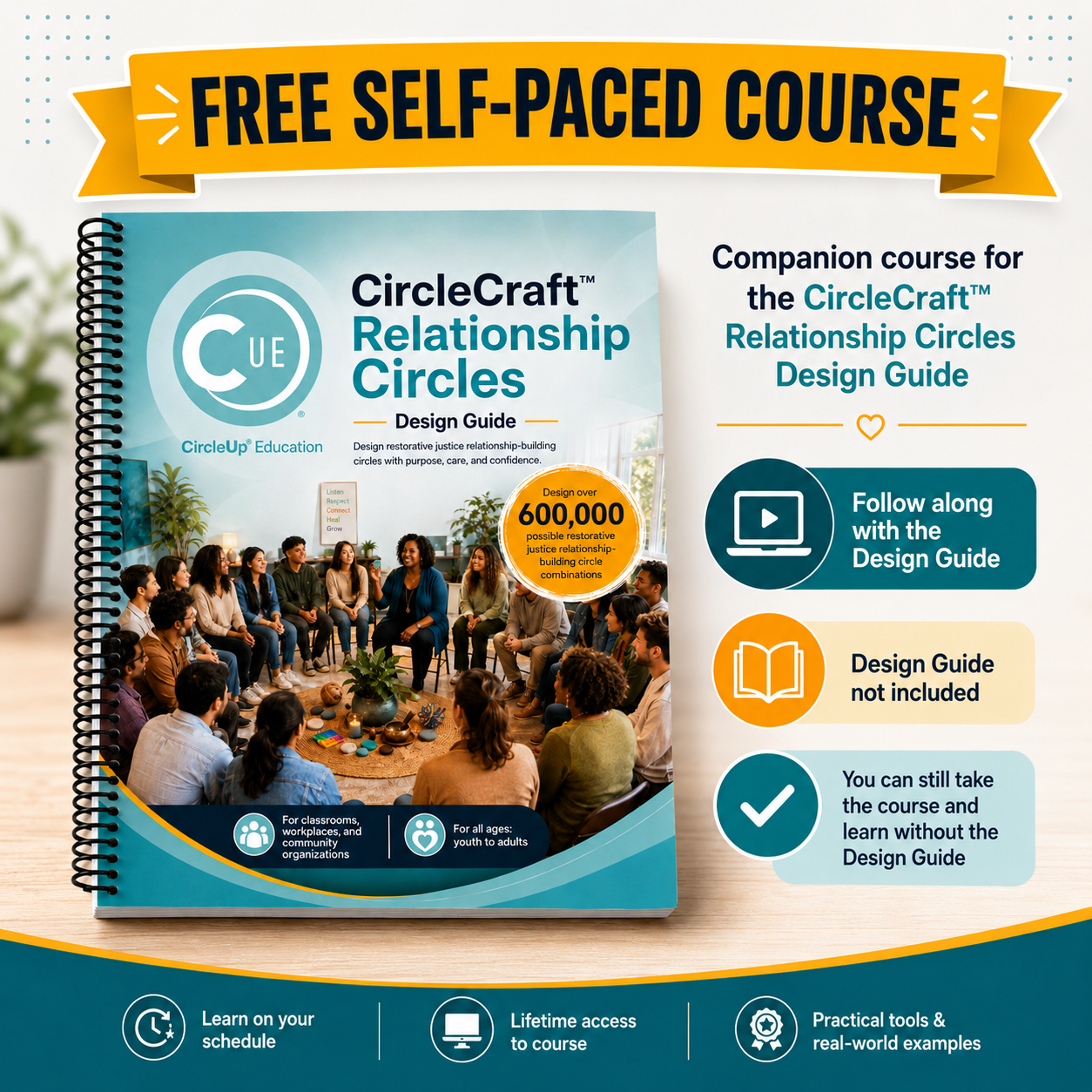
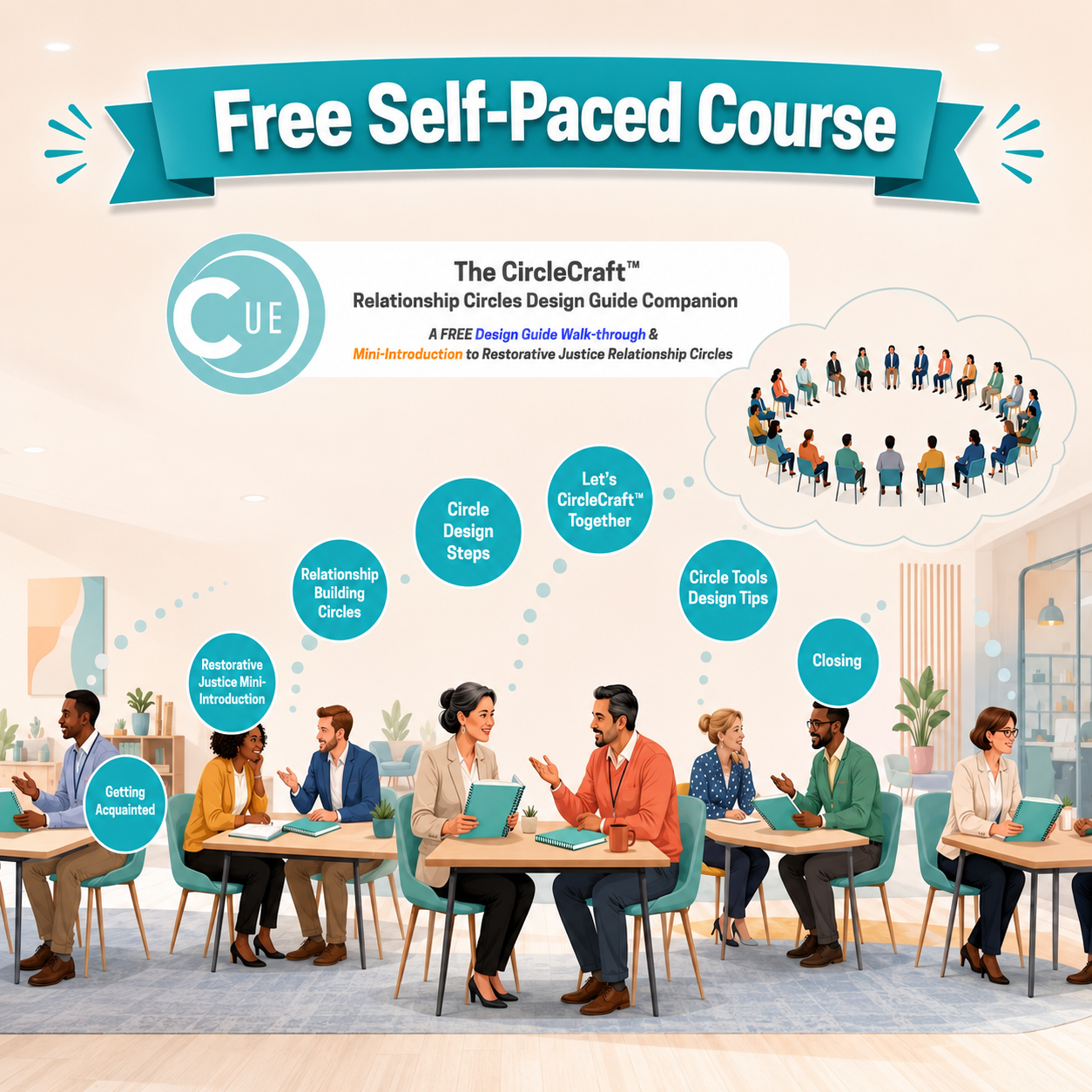

FREE Self-Paced Course
✔️ 1-hour self-paced course
✔️ Includes a basic RJ 101 Training
✔️ Mini Intro to Roots of RJ
✔️FREE Tools & Strategies
Pairs well with
After your purchase you will be auto-enrolled in your course and receive a welcome email.
Upon Completion, you will receive your certificate automatically.
Free and fast customer support to problem-solve any issues you may have with the course.
CircleCraft™ Relationship Circles Design Guide - Free Companion Self-Paced Course

The free companion course to the CircleCraft™ Relationship Circles Design Guide. Learn the foundations of restorative justice, how to use the Design Guide, and how to plan four types of relationship-building circles—step by step, at your own pace.


Early on, we learned that people needed practical solutions to real challenges—a way to design circles around the people actually in the room while considering time, accessibility, and interpersonal dynamics. This free companion walks you through exactly that.
We couldn’t have developed this process alone—and we don’t want you to have to figure it out alone either. Restorative justice training isn’t always accessible, and this free companion is one way we hope to give back and bring more restorative practices into the communities you serve every day.
“This course is my gift to the restorative justice community—a tool meant to be shared broadly so more people and communities can get started, or refine the work they’re already doing, and help more relationships come together, grow, and expand.”


The companion teaches the foundations of restorative justice and relationship circles, then models real, practical choices so your circles strengthen trust and connection—and are never designed to cause harm.
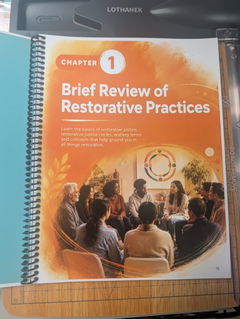
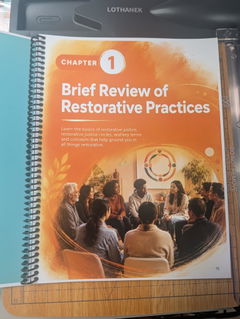
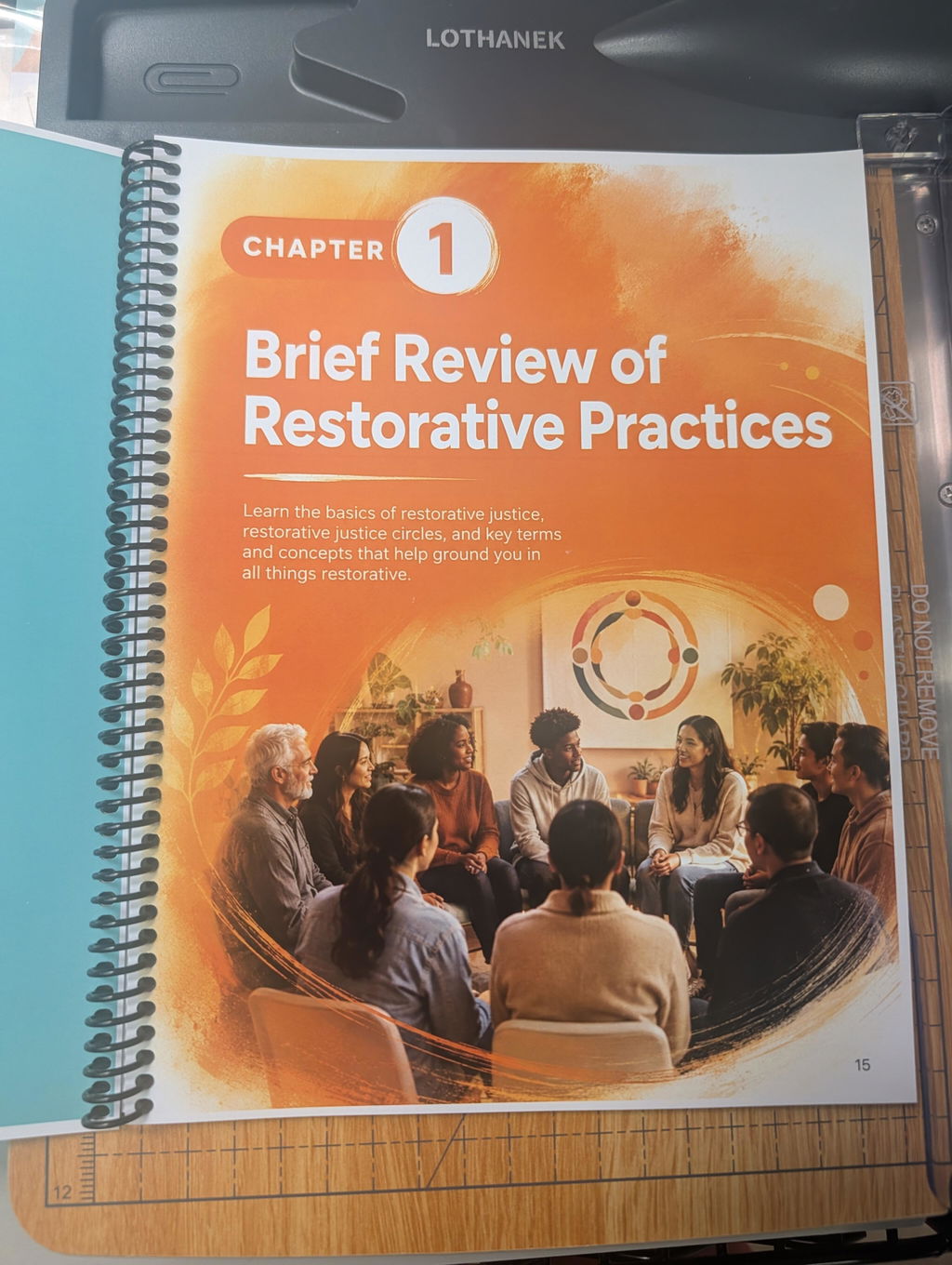
Understand the core meaning, language, and values behind restorative justice and restorative practices.
Learn what relationship-building circles are, why they’re proactive, and how they strengthen trust and connection.
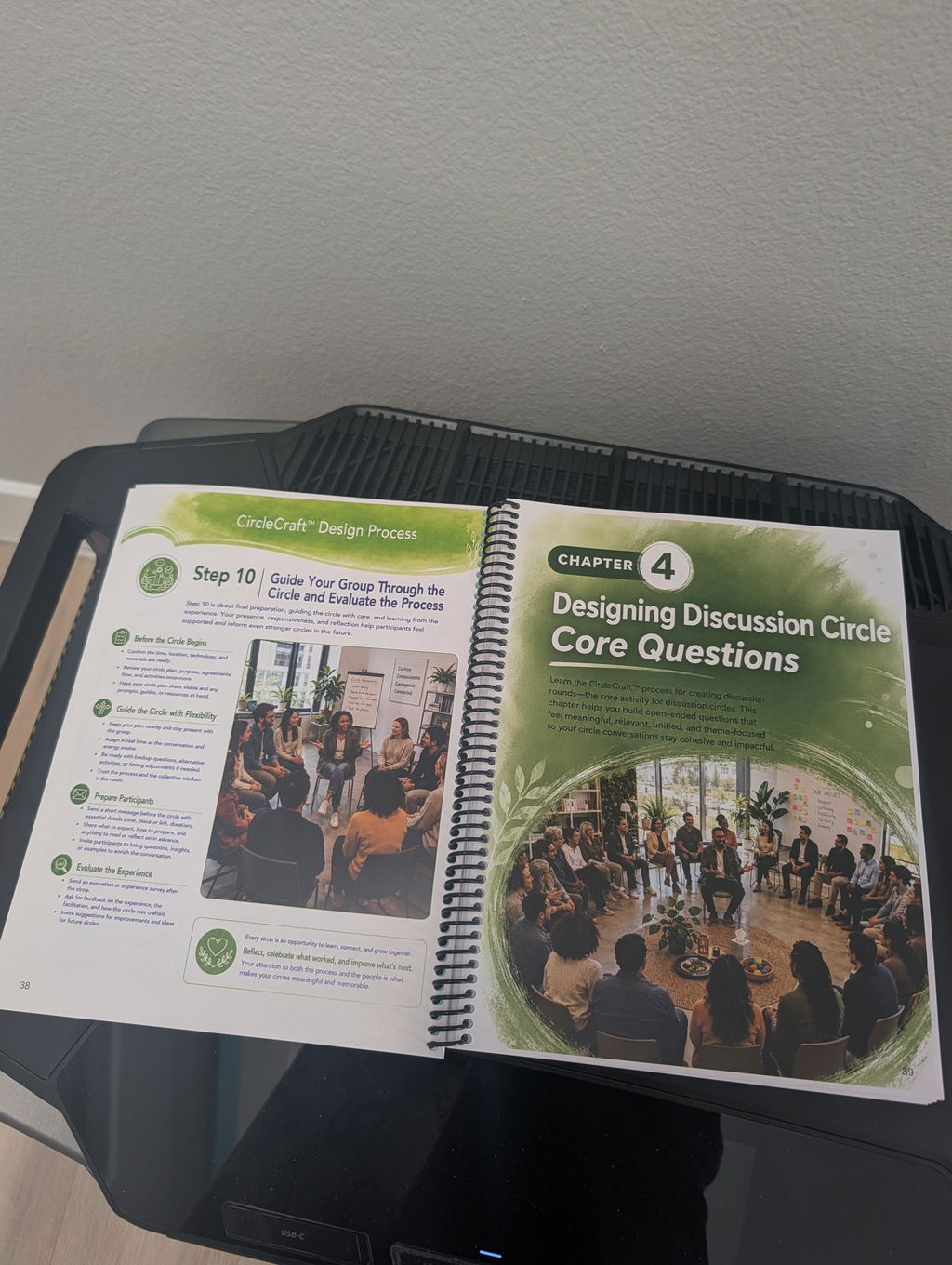
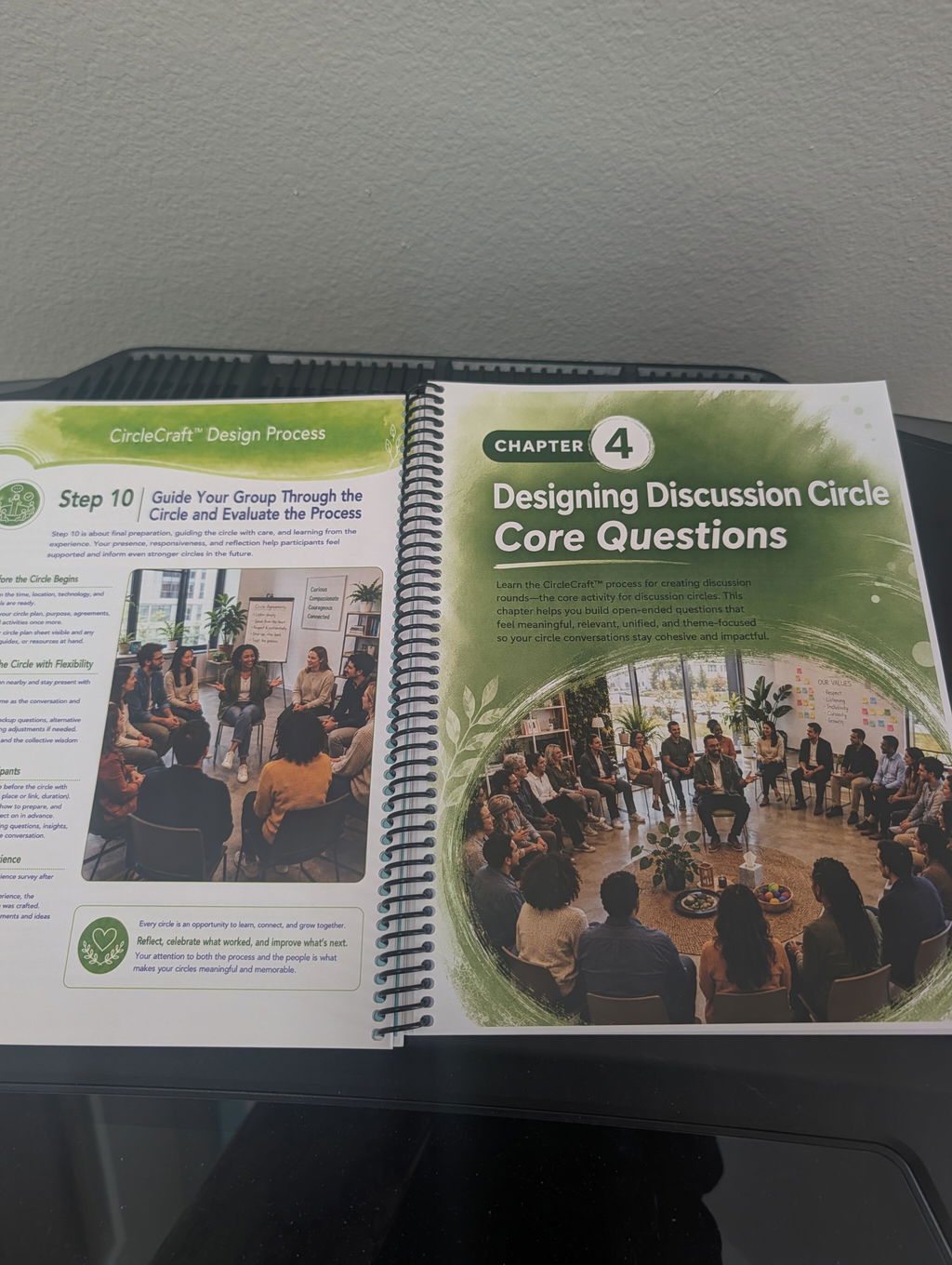
See how to navigate the CircleCraft™ Design Guide and turn its color-coded parts into a real circle plan.
Get a clear, brief walkthrough of the 10-step design process so you can plan around purpose, participants, and time.
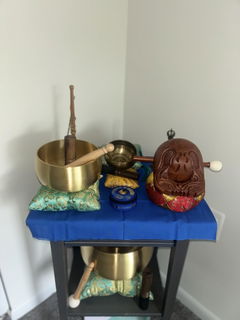
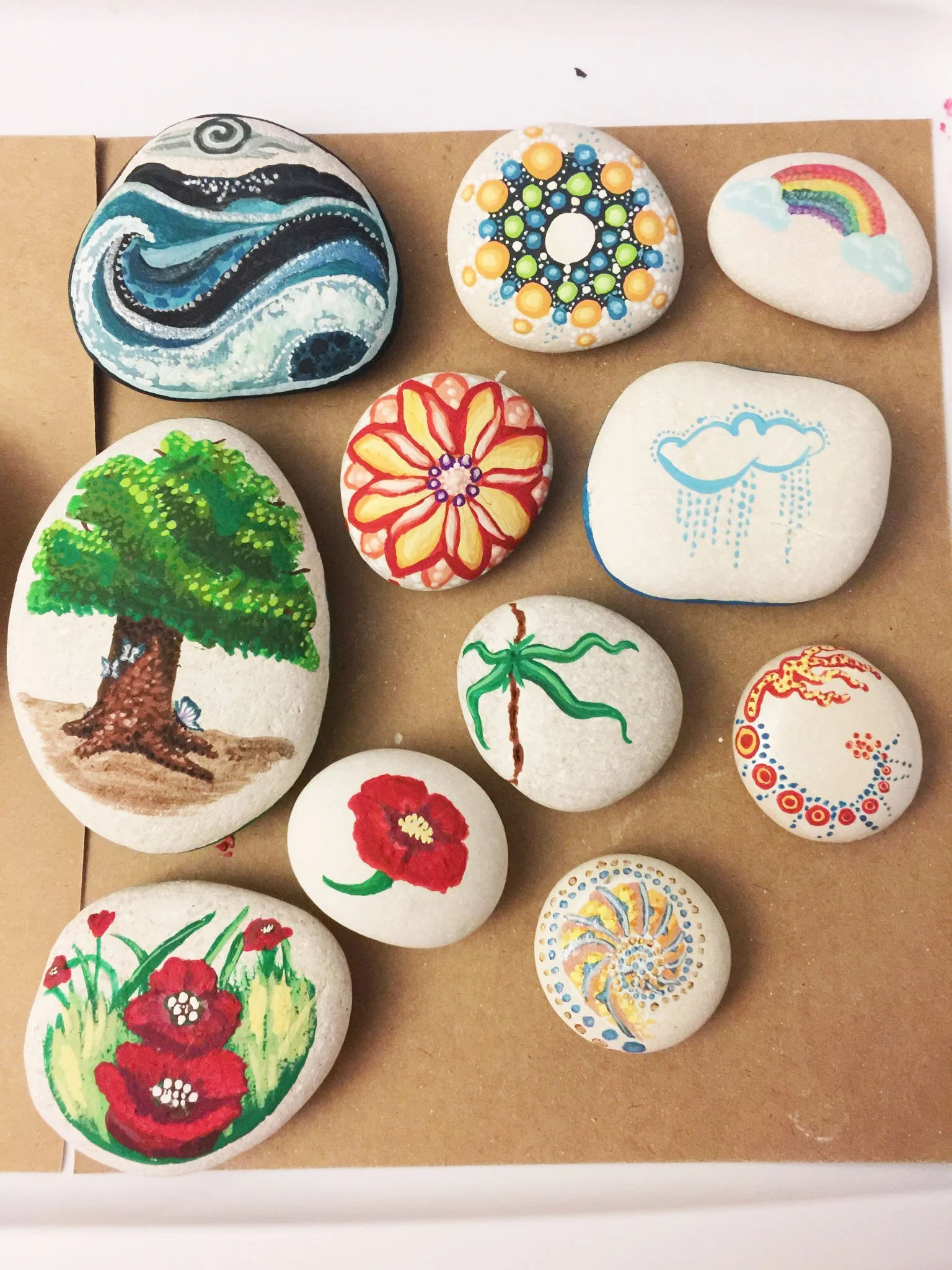
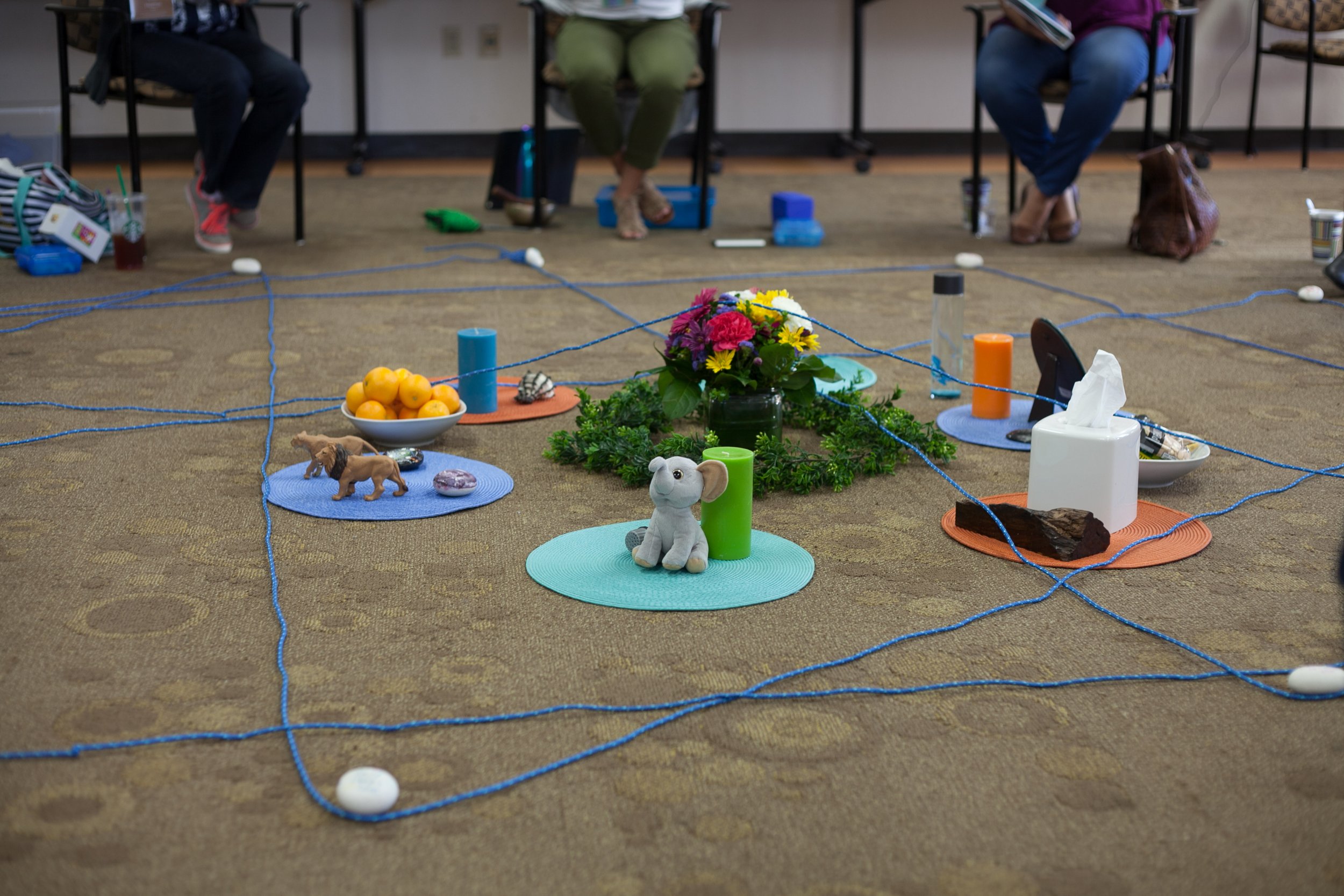
Get practical tips on choosing and using a talking piece and building a meaningful centerpiece.
Learn to honor the origins of circle practice and how to avoid cultural appropriation in restorative circles.
In the companion, CircleUp®’s founder models how to design four different relationship-building circles, so you see practical examples of circles tailored to the communities you serve. You’ll receive a free planning example for each.
Co-create shared agreements that set the tone for how a group wants to be together.
Help participants surface, share, and explore the values that matter most to them.
Strengthen connection, trust, and collaboration within a team or group.
Guide meaningful conversations about important topics with care and structure.

The companion briefly walks you through all 10 steps so you understand how each design choice shapes a circle’s purpose, flow, participation, and impact.
Pick the relationship circle that best fits your group’s needs, goals, and reason for coming together.
Review the framework, the theme, and the parts of the circle, and decide on a single circle or a series.
Reflect on participant dynamics, the space, timing, accessibility needs, and any constraints that shape your plan.
Select the central focus that ties the opening, core activity, reflections, and closing into one experience.
Choose and adapt the main activity so it directly supports the theme and the needs of your group.
Map out timing for each part of the circle so the experience feels realistic, balanced, and purposeful.
Choose the opening, introduction, agreements, reflection, closing, and transitions, and modify each to fit.
List every material, setup item, handout, and tool—and consider quantities, accessibility, and substitutions.
Review the plan for fairness, inclusion, and readiness—and practice the circle if you need to.
Prepare participants, guide with flexibility and care, and evaluate so future circles can be even stronger.

One of the biggest things you’ll get: free access to printable and digital circle planning sheets. Use them alongside the CircleCraft™ Design Guide to customize your own circles and turn your design into a complete, ready-to-use plan.
Beyond the process, the companion shares practical guidance on the elements that shape the experience—and how to hold this practice with care and cultural respect.

Developed with over a decade of input from thousands of educators, public employees, nonprofit and community leaders, and workplace managers. Whether you’re just beginning or refining your work, you’re welcome here.
Build the foundational language, examples, and confidence you need to begin your circle practice—no prior experience required.
Refresh the essentials, pick up practical tips, and refine the circles you’re already running for the communities you serve.
Yes. The self-paced companion course is completely free. It’s a gift from CircleUp®’s founder, Tyrone Botelho, to the restorative justice community—offered to help make restorative practices more accessible, especially for people and communities that may not have access to trainings right now.
No. You don’t need the Design Guide to participate. You can sign up, take the course, and still gain practical guidance to begin your circle practice or refine the work you’re already doing. The companion pairs especially well with the guide if you have it.
You’ll learn the basics of restorative justice and relationship-building circles, how to use the Design Guide, a brief walkthrough of the 10-step process, and how to design four circle types: a community agreement circle, a value exploration circle, a team building circle, and a discussion circle. You’ll also get practical tips on the talking piece, the centerpiece, restorative justice values, and how to avoid cultural appropriation.
Yes. You’ll get free access to printable and digital circle planning sheets you can use to customize your own circles with the CircleCraft™ Design Guide—yours to keep and share with your team.
Please do. This companion was made to be shared broadly. Take the course, share it with your team, and help bring more restorative practices into the communities you serve.
After you sign up, you’ll receive course access and enrollment instructions by email. Use the same email address at checkout that you want connected to your enrollment.
Learn the foundations of restorative justice, how to use the Design Guide, and how to plan four types of relationship circles—plus free printable and digital planning sheets. All free.
If you have any questions, you are always welcome to contact us. We'll get back to you as soon as possible, within 24 hours on weekdays.
Shipping Information
Use this text to answer questions in as much detail as possible for your customers.
Customer Support
Use this text to answer questions in as much detail as possible for your customers.
FAQ’s
Use this text to answer questions in as much detail as possible for your customers.
Contact Us
Use this text to answer questions in as much detail as possible for your customers.